27.07.2026
UNESCO World Heritage
Today, the state policy of the Republic of Uzbekistan in the field of urban planning is undergoing a large-scale transformation aimed at creating a harmonious, technological, and sustainable cityscape. As the Head of State, Shavkat Mirziyoyev, has repeatedly emphasized, the modern development of the capital and regions must be based on the synergy of advanced global experience and the careful preservation of the country's unique historical and cultural code. It is this comprehensive approach and openness to a new international context that have laid the foundation for tectonic shifts in the recognition of the Uzbek architectural school on the global stage. A historic triumph of the renewed state policy in the field of culture and urbanism was the decision of the 48th session of the UNESCO World Heritage Committee.
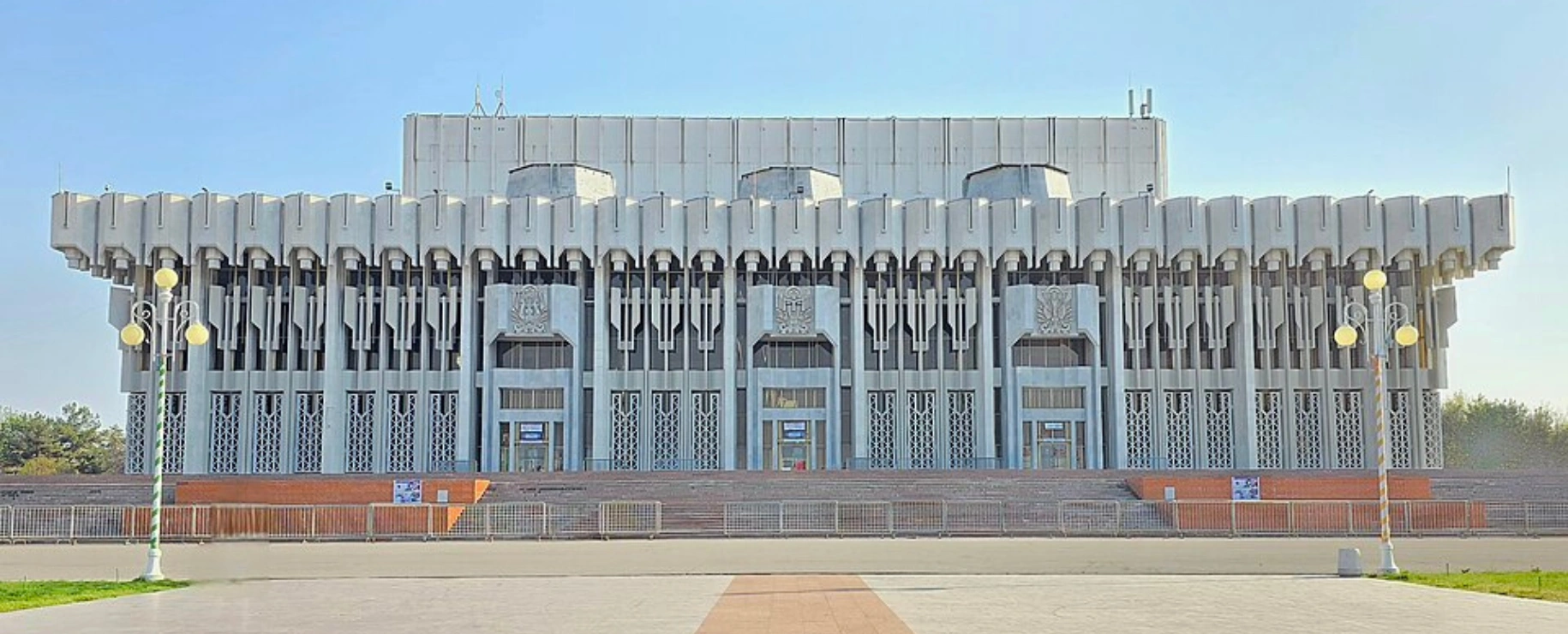
For the first time, international recognition has been granted to ten outstanding architectural landmarks of Tashkent modernism from the second half of the 20th century. For Archiquad, this news carries a deeply personal significance: key places on this list are occupied by the monumental Palace of Peoples' Friendship and the unique architectural ensemble of the Tashkent Metro, both created under the creative leadership of Sabir Rakhimovich Adylov. We previously published a feature on the architect, his professional journey, and his impact on culture and history.
Connection to the Roots
In January 2017, Archiquad joined forces with the Creative Workshop of People’s Architect Sabir Rakhimovich Adylov. Operating successfully since 1993, the workshop allows Archiquad to continue the legacy of one of independent Uzbekistan’s very first private architectural design firms.
This step consolidated a professional generational continuity: the founder and CEO of the company, Bakhrom Khodjaev, is the grandson of the distinguished urban planner who shaped the face of modern Tashkent.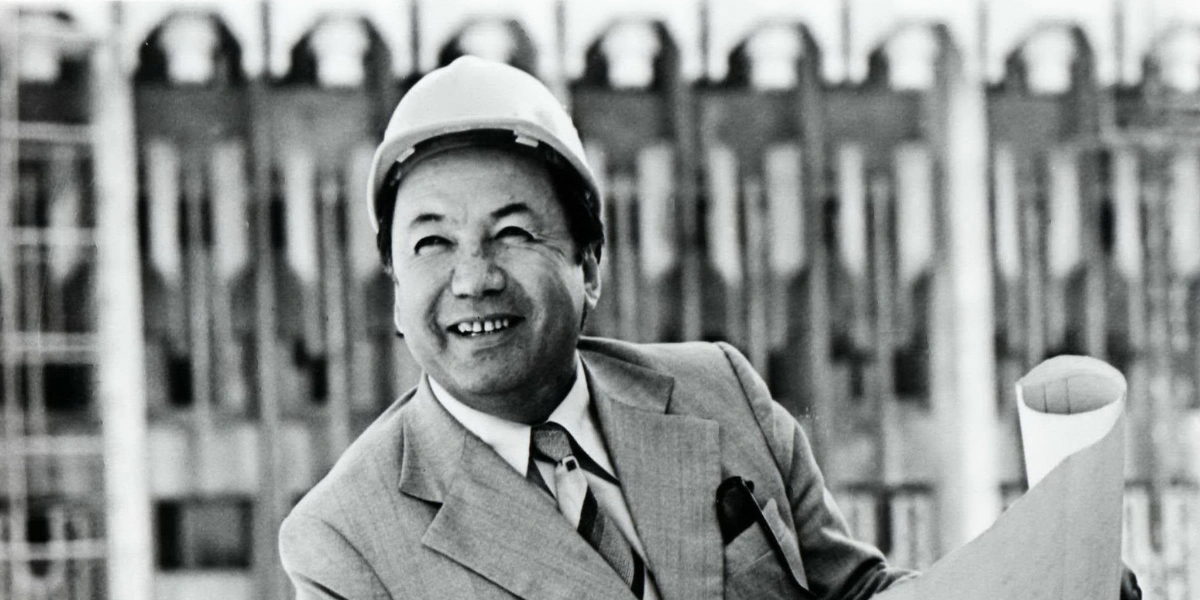 Photo: Archiquad Team
After earning a foundational degree at the Tashkent Institute of Architecture and Civil Engineering (now TASI), working at the "Qishloq Qurilish Loyiha" design institute, and completing internships and studies in France (Versailles School of Architecture), the USA, Singapore (NTU), and South Korea (Seoul National University), Bakhrom Khodjaev merged cutting-edge international expertise with a profound understanding of the Uzbekistani architectural school. For the Archiquad team, developing their native city is a matter of personal responsibility to a family history that helped craft the image of the modern capital.
World-Class Triumph: Sabir Adylov's Masterpieces on the UNESCO List
Sabir Rakhimovich Adylov authored and co-authored over 80 major spatial residential housing and monument projects in Tashkent, Andijan, and Jizzakh (1970, 1980). Under his leadership from 1966 to 1974, the Architectural Center of Tashkent took shape—a key milestone in the urban planning history of Uzbekistan and a symbol of renewal for the entire republic. The detailed reconstruction plan for the city center envisioned a cohesive ensemble of administrative buildings, cultural institutions, public squares, and thoroughfares. During this period, the Supreme Soviet of the Uzbek SSR building (1979), the architectural design for the V. I. Lenin monument in the central square (1974), the Yuri Gagarin monument (1979), and a series of monumental complexes across Tashkent and other cities were designed. This initiative laid down Independence Square and other central public spaces that defined the contemporary identity of the capital.
An important achievement of Sabir Adilov was the urban planning and formation of the large-scale ensemble around the Palace of Friendship of Peoples (1980). While the main author of the building itself was the architect Evgeny Rozanov as part of a creative team, Adilov provided general creative direction for the development of the square and personally designed the iconic Friendship of Peoples monument (the monument to the Shamakhmudov family). The unique synthesis of the geometry of international modernism and the traditional decorative motifs of Central Asia allowed this complex to receive the highest international protection status.
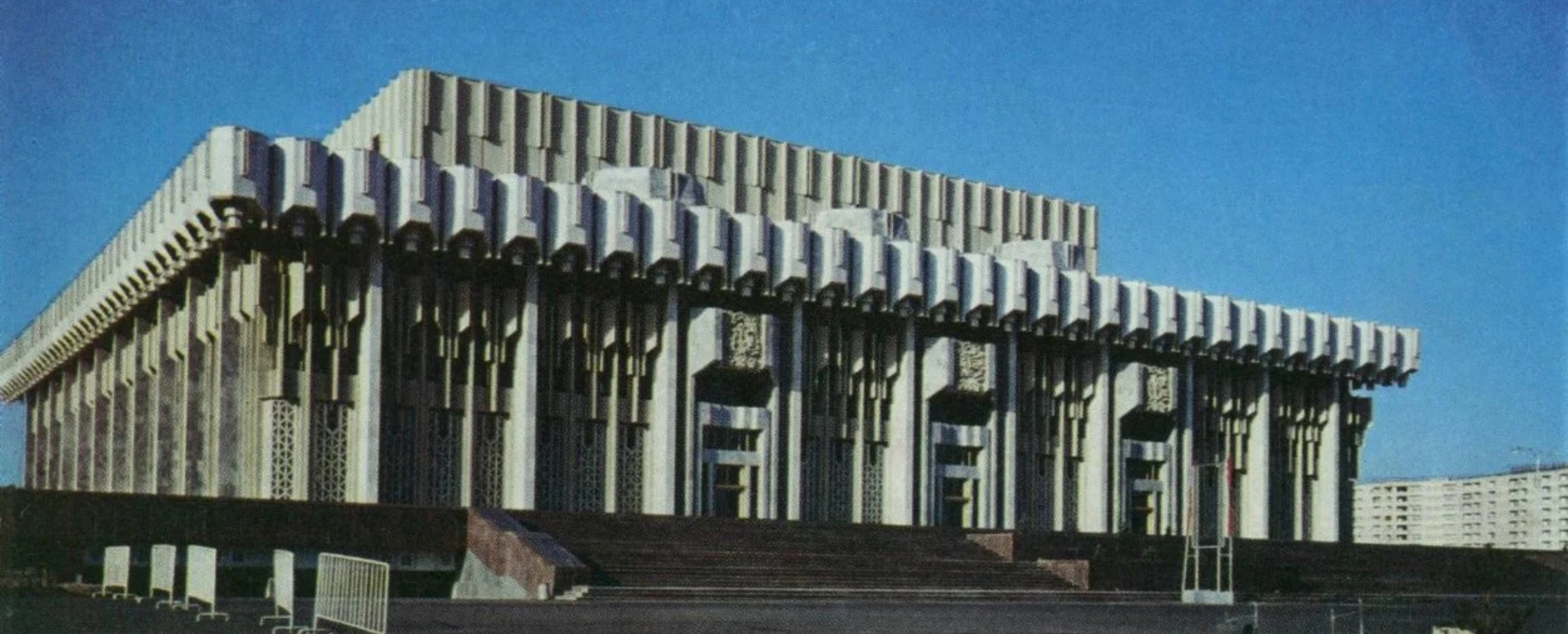
Photo from the book "Architecture of Soviet Uzbekistan", 1983
Another monumental triumph for the architect is the Tashkent Metro. Sabir Adylov served as the head of the architectural teams behind all initial metro stations. Inscribed on the UNESCO protection list, the "Kosmonavtlar" station stands as a striking highlight of this underground system—a network where general urban integration, structural design, and spatial architecture were curated directly under Sabir Rakhimovich’s guidance. Alongside honored painters and sculptors, he made major contributions to monumental art, transforming a utilitarian transit network into an extraordinary architectural museum where every station became a standalone masterpiece.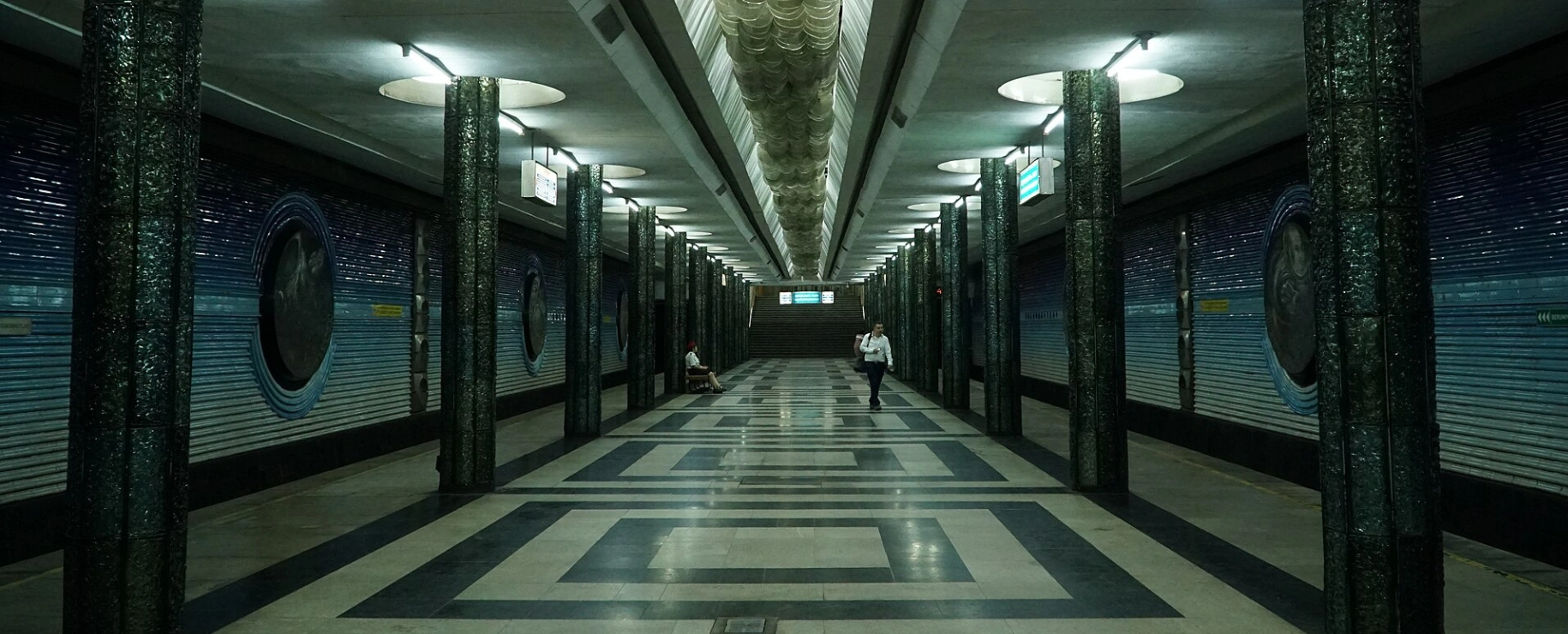 Photo: wikipedia
The detailed design of central Tashkent went far beyond constructing individual buildings: it forged a unified civic identity where administrative, cultural, and public functions intersected seamlessly. Transformed from a fragmented, damaged post-earthquake landscape into a symbol of national identity and renewal, central Tashkent took shape largely through the vision of Sabir Adylov. By blending tradition with modernity, architecture with monumental art, and technical solutions with cultural depth, he earned an enduring place in history as the architect who defined the face of modern Tashkent.
What Does This Mean?
The inclusion of Tashkent’s modernist architecture in the UNESCO World Heritage List is a global recognition of its outstanding universal value, placing Sabir Adylov’s masterpieces alongside humanity’s greatest monuments. In practice, this status grants the sites the highest level of international legal protection: any demolition, structural alteration, or chaotic commercial development in adjacent areas is strictly prohibited, while the preservation of the buildings' original appearance is tightly monitored under UN international protocols. For Uzbekistan, this decision opens new horizons for global cultural tourism.
Archiquad’s Philosophy Today: World Heritage Traditions and Sustainable Design
Adylov was a master at assembling strong teams, raising the stature of the architectural profession to exceptional heights. Today, Archiquad, led by Bakhrom Khodjaev, carries this legacy forward into a new century. Global recognition for Tashkent’s modernist treasures recontextualizes Uzbekistan’s recent architectural history on the world stage and entrusts the new generation of architects with long-term professional responsibility.
Combining the archival drafting heritage of S. R. Adylov’s Creative Workshop with modern international sustainability standards, Archiquad integrates eco-friendly and energy-efficient design principles across Uzbekistan. Today, this encompasses not only aesthetic form, but also smart climate adaptation featuring passive protection from the southern sun, efficient water conservation, and uncompromised seismic resilience proven through decades of urban development practice.
Collaborating with the Creative Workshop of Sabir Rakhimovich Adylov provides a solid foundation upon which Archiquad builds a modern, sustainable, and aesthetically refined Uzbekistan of tomorrow—safeguarding a historic legacy now celebrated across the globe. You can explore our philosophy and current projects further in the "About Archiquad" section.