15.09.2026
Greenfield and Brownfield in Construction: How a Site Defines a Project
Greenfield: When a Project Starts from Scratch
When a site has not yet been developed, the designer has the opportunity to determine what it will become from the outset. The placement of buildings, transport connections, public spaces, landscaping and utility infrastructure can be planned as a single system before construction begins. This approach provides greater freedom in design, as decisions can be made with the entire site in mind rather than adapted to existing development.At the same time, the designer must consider from the beginning how the new project will connect to existing urban and industrial infrastructure and how the new area will function once construction is complete.
The Greenfield approach is particularly relevant to the development of new residential districts, business clusters and large mixed-use complexes. Here, architecture is considered as part of a unified system: first, the overall logic of the site is established, key routes are defined, environmental risks and relationships between different facilities are considered, and public spaces and landscaping are planned. The absence of existing infrastructure becomes one of the main challenges — roads, utility networks, transport connections and social facilities have to be planned almost entirely from scratch.
International Experience: Greenfield
One of the illustrative examples is Songdo International Business District in South Korea. The new district was developed on reclaimed land near Incheon almost entirely from scratch. Its development was therefore based from the outset on a master plan incorporating mixed-use development, public spaces, transport infrastructure and extensive green areas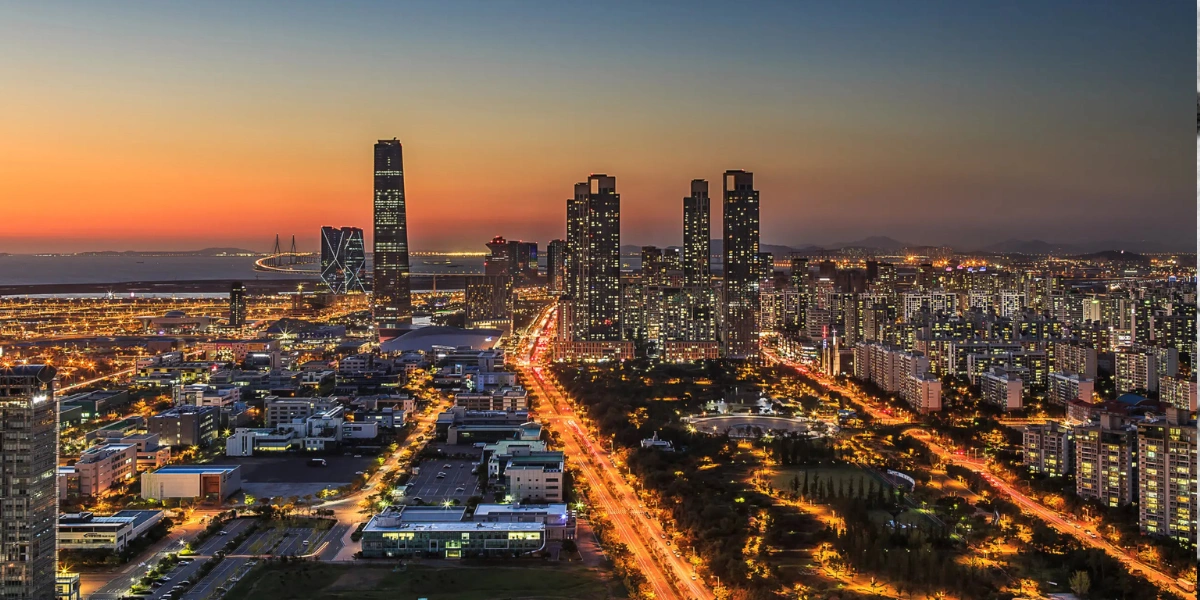
Photo: kpf.com
Another example is Masdar City in Abu Dhabi, where a new urban environment was developed with an emphasis on energy efficiency and reducing dependence on cars. Architectural solutions, the layout of buildings and streets, and the organization of public spaces were considered from the outset as elements of a single system.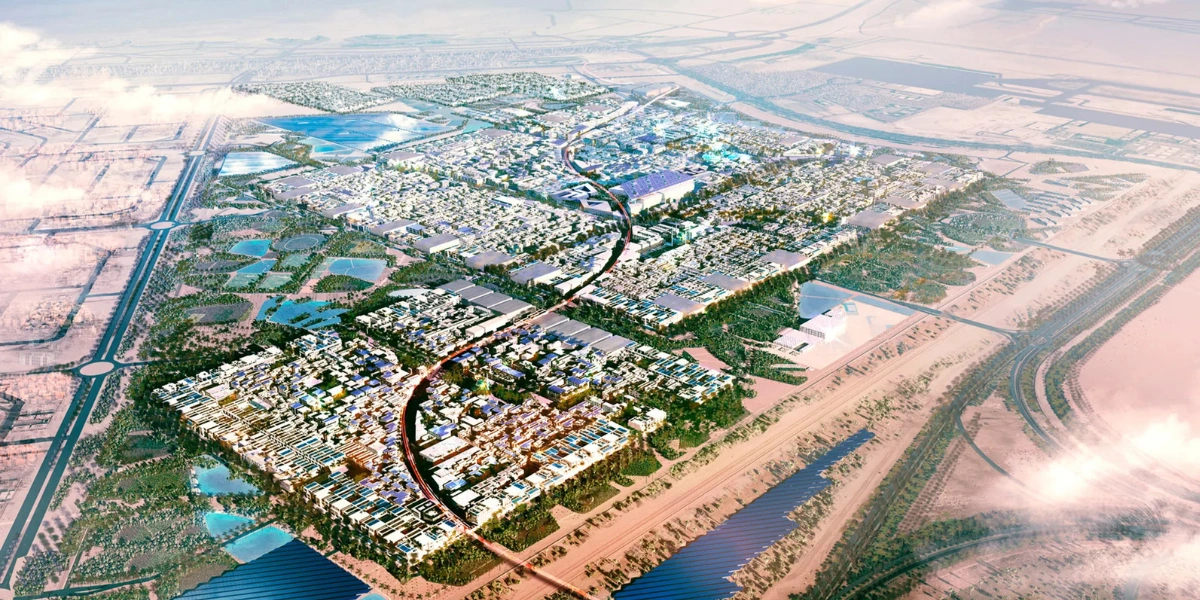
Photo: fosterandpartners.com
Brownfield: When a Site Already Has a History
Brownfield development involves the redevelopment or transformation of a site that has already been used. This may include a former industrial area, warehouse site, port, railway infrastructure or a plot with existing buildings. In this case, the designer does not begin with an empty site, but with an analysis of what already exists: buildings, utility networks, transport connections, terrain and historical context. The key question in a Brownfield project is not only what to build, but also what to preserve, modify or integrate into the new environment. Some structures can be adapted to new functions, while others can be reconstructed or incorporated into new development.In some cases, the history of the site itself becomes the basis of the architectural concept and helps create a distinctive identity for the future project. This is why Brownfield development is often associated with redevelopment — a process in which a site receives a new function and economic value without completely abandoning its existing context.
International Experience: Brownfield
One of the best-known examples is King’s Cross in London. The area of former railway and industrial facilities remained underused for a long period. As part of a large-scale regeneration project, new residential and office buildings, retail spaces, public areas and educational facilities were developed, while a number of historic structures were preserved and integrated into the new environment. Today, King’s Cross is considered one of London’s major former industrial-site regeneration projects.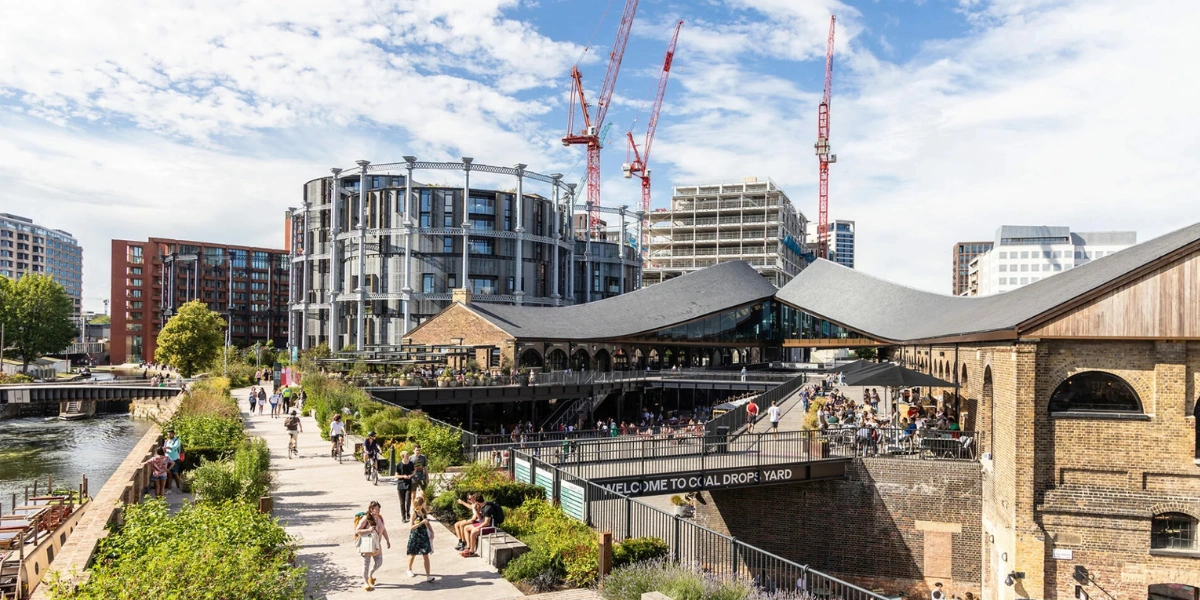
Photo: kingscross.co.uk
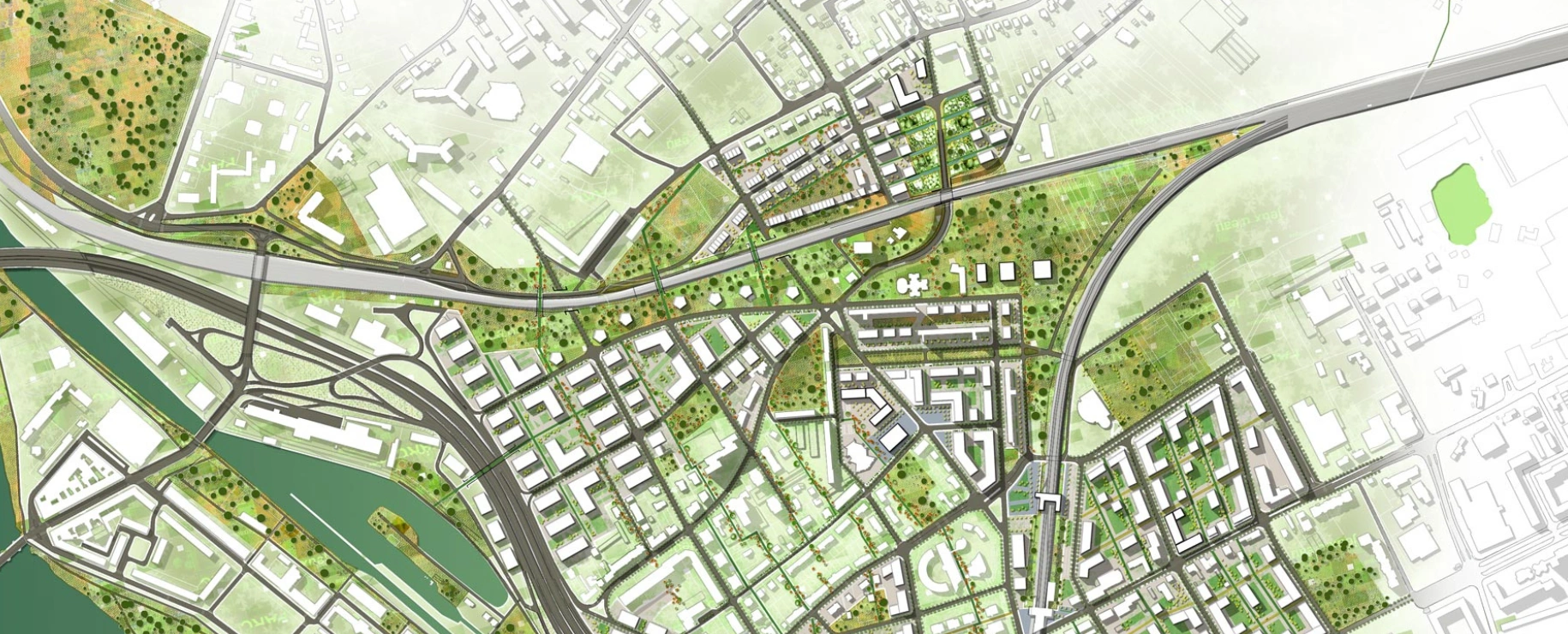
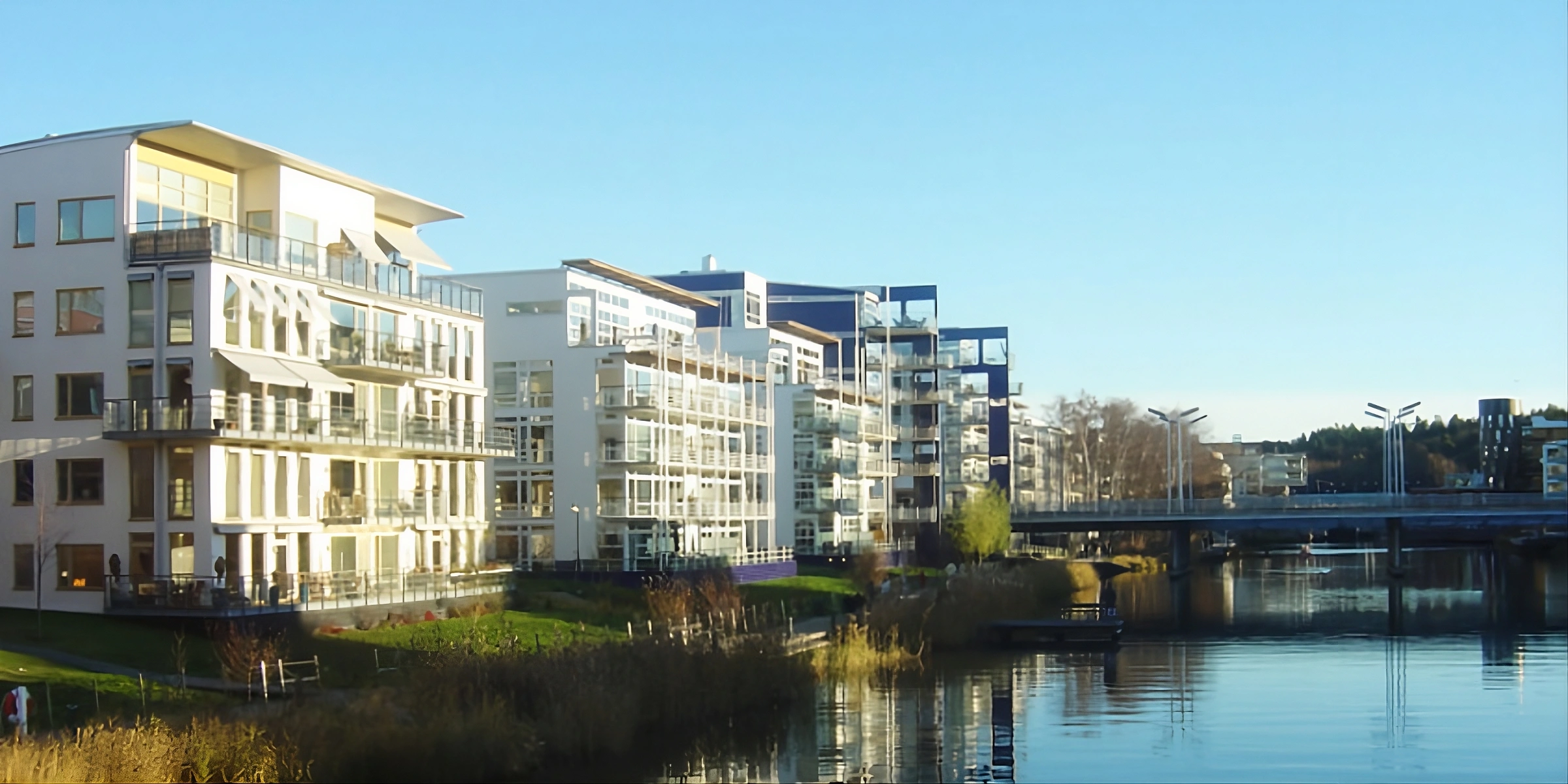 Photo: hammarbysjostad.se
Archiquad Projects
GREENFIELD CASE
Global Export Dried Fruit Plant
Initial conditions:
Global Export received a site from the government within a special economic zone for the development of dried fruit production. At the beginning of the project, the site was vacant and had no existing development.
Task:
The site needed to accommodate a production complex designed around the specific production technology and the client’s requirements. The project team was provided with information about available utility resources — electricity, water, sewerage and gas — as well as production requirements and technological equipment.
Solution:
With a Greenfield approach, design begins almost from scratch, but architectural and engineering solutions are directly determined by the production technology. The location of equipment, production processes and required utility capacity shape the structure of the future facility. The designer also considers the connection of the facility to external infrastructure and the conditions for its future operation.
Result:
At the current stage, the project is in its initial phase: the site has been legally secured by the client and registered in the cadastral system. Further design development will define the production facility based on the specified technology, available resources and the requirements of the future production process.
BROWNFIELD CASE
First National Digital Bank Anorbank
Tashkent, Sayram Street | 2021 | 4 floors
Initial conditions:
The building was originally designed as a hotel, but under the new project it was to be transformed into a modern office for the country’s first national digital bank.
Task:
To adapt the existing building to a new functional scenario while preserving its structural basis and creating a contemporary architectural and interior identity.
Architectural solution:
The Archiquad team developed the working reconstruction project, including the façade and technological solutions. A landscaping project and interior design were also developed. The interior was organized around modern office scenarios: zoning separates working and client areas, while lighting solutions and contemporary materials reinforce the bank’s technological character.
Result:
The existing hotel building received a new function and was adapted to the requirements of a modern banking office. The project made it possible to use the building’s existing architectural and structural basis instead of creating a new facility from scratch.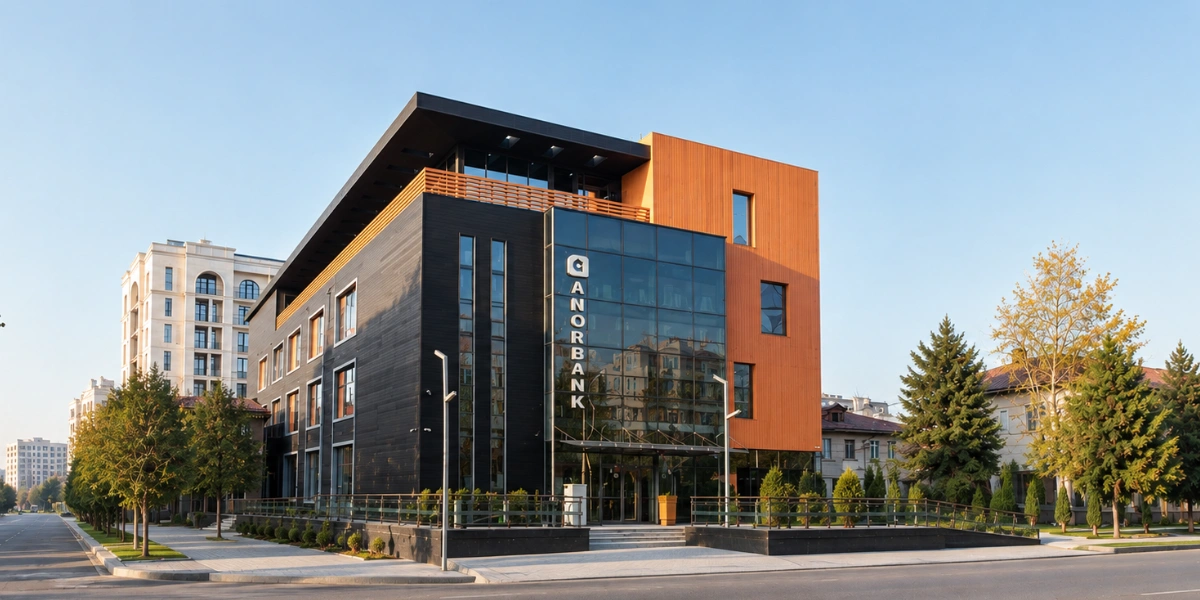
Photo: Archiquad archive / Retouched to remove distracting elements
Urban Development: Building New or Reconsidering What Already Exists
Modern urban development cannot be reduced to construction on vacant sites alone. As cities grow, reconstruction, redevelopment and the reuse of already developed sites become increasingly important. Greenfield development makes it possible to create new urban areas with infrastructure and connections planned in advance. Brownfield development, meanwhile, provides an opportunity to bring underused or obsolete sites back into active urban life and make use of existing urban resources.
The question, therefore, is not which approach is better. What matters is determining which scenario corresponds to the specific site and project objectives. For a designer, this means working not only with the future building, but with the place itself. Sometimes a project begins with a clean slate. Sometimes it begins with an analysis of what already exists. In both cases, the task remains the same: to identify the potential of the site and turn it into a functional, comfortable and sustainable environment.
In both cases, a good project begins with one question: what potential does this place already have, and how can architecture unlock it?