19.11.2026
Class A Warehouses
Modern retail, e-commerce and international businesses have increasingly high expectations of logistics infrastructure. Delivery speed, product safety and process automation now depend directly on the quality of warehouse facilities. Class A warehouses are a key component of modern supply chains: high-tech facilities designed to meet stringent requirements for storage, cargo handling and engineering systems.
What Is a Class A Warehouse? Key Criteria and Characteristics
A Class A warehouse is a high-tech engineering facility designed to ensure efficient management of all stages of cargo handling. Its characteristics are determined by the applicable warehouse classification system and the requirements of the specific facility. However, a number of typical structural and technical parameters can be used to assess the standard of a warehouse complex.
Structural features and storage parameters. A typical facility is a single-storey rectangular building constructed using lightweight metal structures (LMS) and sandwich panels. It either has no internal columns or features a wide column grid, typically starting at 12 × 24 m. The clear ceiling height is generally 12–14 metres or more, allowing for multi-level pallet racking systems with up to 6–8 storage levels. Floors are made of high-strength concrete with a dust-proof finish and, depending on the design specifications, are engineered to withstand distributed loads of approximately 5–8 tonnes per square metre.
Docking equipment and climate control systems. Loading areas are equipped with automatic dock doors and dock levellers — adjustable platforms that facilitate loading and unloading operations. As a typical benchmark, one dock door may be provided for every 500–1,000 sq. m of warehouse space. Climate conditions and cargo preservation are supported by mechanical ventilation, central air conditioning and systems for maintaining specified temperature and humidity levels. The uninterrupted operation of engineering systems is supported by an independent power substation and backup diesel generators.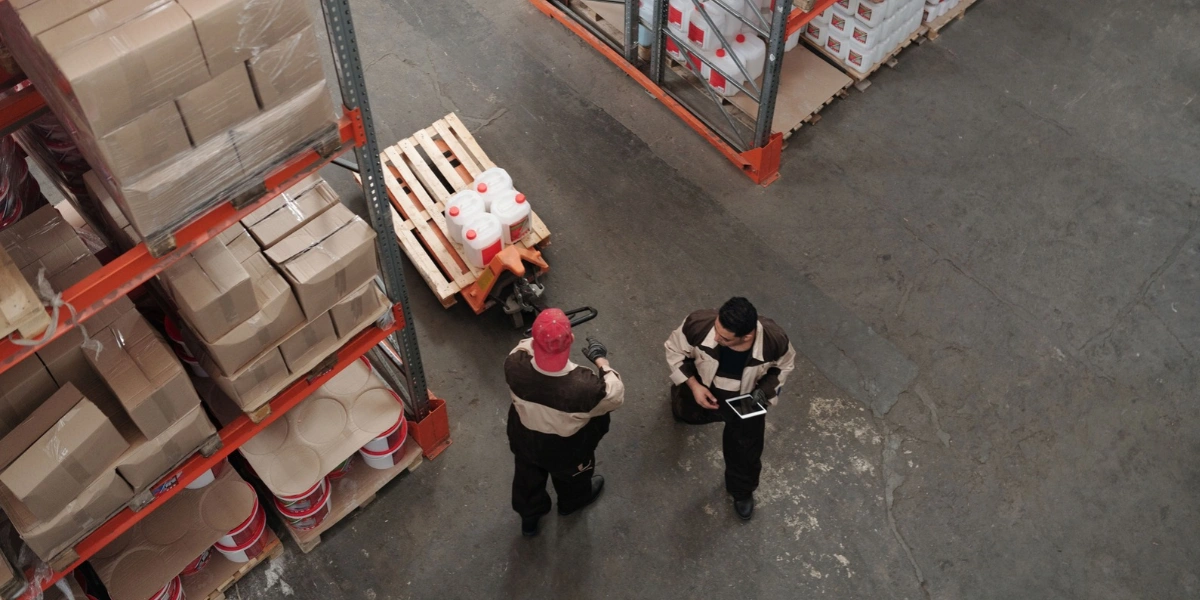
Safety and infrastructure. Facility protection is ensured through automatic fire suppression systems, including sprinkler installations, 24-hour video surveillance and access control systems. The complex also includes office and staff facilities, access roads for articulated trucks, designated areas for truck parking and manoeuvring, and parking spaces for passenger vehicles.
These figures represent typical technical benchmarks. Actual specifications may vary depending on the facility's purpose, design solutions and the warehouse classification system applied.
Class A Warehouse Design: The Role of a Category IV Licence
Designing a Class A warehouse is a complex engineering task that requires precise calculations — from load distribution across foundations and floors to the design of long-span structures, sprinkler fire suppression systems, smoke extraction and ventilation.
The Archiquad team holds a Category IV licence for buildings and structures classified by complexity and responsibility. This status confirms the company's qualifications in developing design and cost-estimate documentation for large-scale and technically complex facilities, including Class A logistics complexes. Furthermore, Archiquad’s team includes certified specialists with proven experience in designing technically complex, wide-span, and industrial facilities.
We take an integrated approach to design, taking into account each client's specific logistics processes — from optimising traffic flows and arranging storage racks to connecting the facility to external utility networks. Design solutions are developed in accordance with the applicable construction regulations and standards of Uzbekistan (ShNK and KMK), as well as state examination requirements.
Uzbekistan's Market: Why Is There Still a Shortage of Modern Warehouses?
Uzbekistan's logistics real estate market is growing rapidly. However, the supply of modern Class A warehouses remains significantly below business demand.
When assessing the market, it is important to distinguish between the total warehouse stock and the supply of Class A facilities. The overall warehouse stock includes premises of different standards and levels of technical equipment, whereas Class A warehouses meet higher requirements for infrastructure, engineering systems and storage operations. Therefore, an increase in total warehouse space does not necessarily mean that the market has sufficient modern logistics facilities.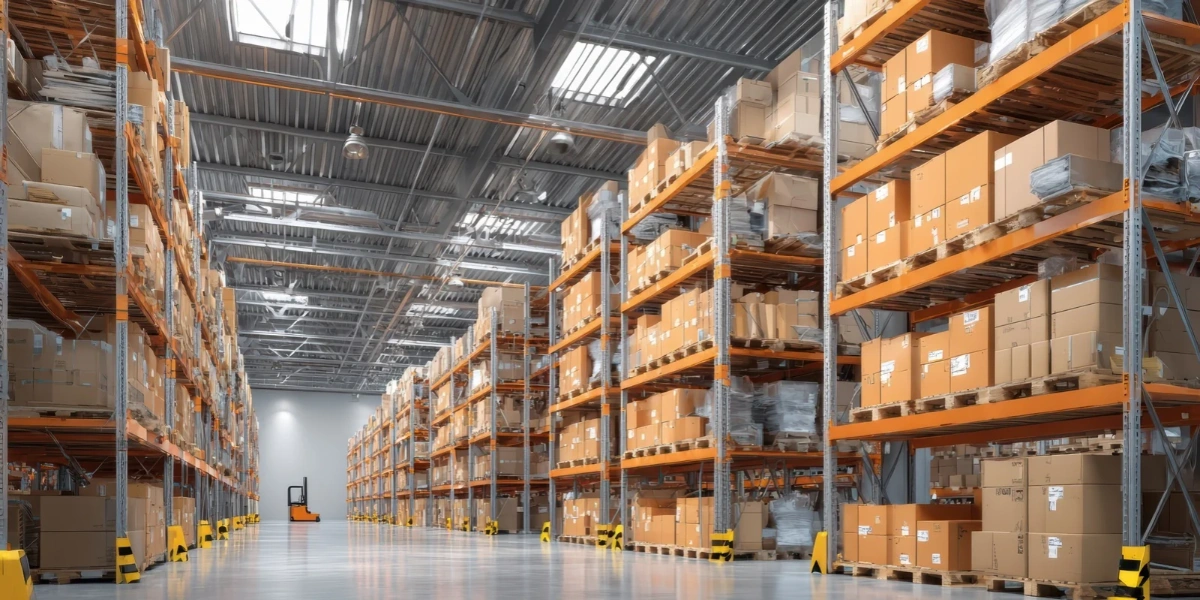
According to the World Bank report Uzbekistan Country Private Sector Diagnostic, the estimated demand for Class A warehouse space in 2025 was approximately 4.1 million sq. m. At the same time, verified supply in this segment was estimated at around 513,000 sq. m. This means that the supply gap reached 88%.
These figures are World Bank estimates based on available statistical data, industry sources and modelling assumptions. They should be treated as an indication of the scale of the market gap rather than a complete inventory of all warehouse facilities in the country.
This imbalance limits companies' ability to organise modern logistics operations, increases the demands placed on transportation and storage, and constrains business development.
Key factors behind the shortage:
High entry costs: launching projects requires substantial initial investment in construction materials, specialised equipment and utility infrastructure.
Infrastructure constraints: finding a development site with access to high-capacity utility networks and convenient transport connections to major highways is challenging.
Design requirements: developing logistics complexes of this standard requires qualified designers and contractors, precise engineering calculations and compliance with applicable construction regulations.
How the Warehouse Shortage Affects Businesses and Why Class A Facilities Matter to International Brands
A shortage of modern warehouse infrastructure creates significant barriers to economic development and the attraction of foreign direct investment. Major international FMCG companies, retailers, pharmaceutical businesses and online marketplaces have strict requirements for storage conditions and logistics operations. Certain product categories require facilities with controlled temperature conditions, modern security systems and the ability to integrate warehouse management systems (WMS).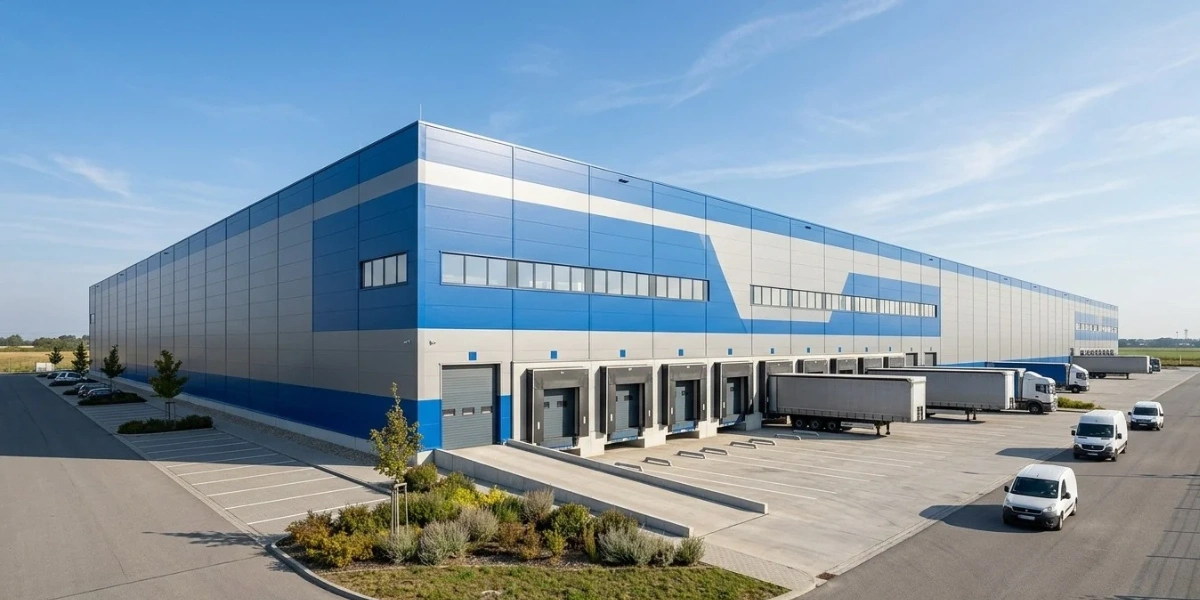
Using unsuitable premises can increase operating costs: it raises the share of manual labour, slows down order picking and increases the risk of errors and losses during dispatch. Ultimately, the shortage of modern warehouse space limits business expansion, making it more difficult for companies to increase turnover and ensure fast delivery.
Regional Context: Market Dynamics Across the CIS and EAEU Countries
Among Central Asian countries, Kazakhstan has the largest warehouse stock according to the figures cited in the source. Between 2021 and 2025, the country's warehouse space increased from 1.3 million to 1.6 million sq. m, reaching 1.8 million sq. m by the end of the third quarter of 2025. According to the Eurasian Development Bank and the Taldau analytical system, total investment in warehouse rental and management exceeded 5.9 trillion tenge. Annual investment in the sector ranged from 782 billion to 1.8 trillion tenge. In the first months of 2026, investment reached 51.5 billion tenge — approximately 1.5 times the January 2025 figure. Plans include the construction of a further 1.1 million sq. m of warehouse space, primarily near Almaty, in the area of the new city of Alatau.
Across the wider Eurasian region, Russia has the largest warehouse market, with warehouse space increasing by 35% to reach 52.9 million sq. m. In Belarus, warehouse stock stood at approximately 2 million sq. m in the first quarter of 2025, representing a 12% increase compared with 2021.
Uzbekistan demonstrates the highest relative growth among neighbouring countries. According to Inbusiness.kz, the country's total warehouse space increased by 89% over four years, reaching 850,000 sq. m. This figure reflects the overall warehouse stock, not exclusively the Class A segment. It should therefore not be directly compared with the World Bank's estimate of 513,000 sq. m of verified Class A warehouse supply. More moderate growth in warehouse space over the same period was recorded in Azerbaijan (+10%), Armenia (+10%) and Kyrgyzstan (+7%). No growth in warehouse space was recorded in Tajikistan during this period.
Market Development Prospects
Despite the growth in total warehouse stock, the shortage of modern Class A facilities in Uzbekistan remains substantial. This creates opportunities for investors and developers prepared to deliver logistics infrastructure that meets the requirements of international companies and the modern market.
The construction of Class A warehouse complexes will not only help reduce infrastructure constraints for businesses but also provide a foundation for the development of retail, e-commerce and international supply chains. For developers, this represents an opportunity to enter a promising market segment where demand continues to significantly exceed verified supply.